
AI: The Technology Reshaping Everyday Life and Entertainment
Artificial intelligence is no longer a futuristic concept reserved for science fiction movies or research labs. It is already part of how people work, create, learn, shop, travel, and relax.
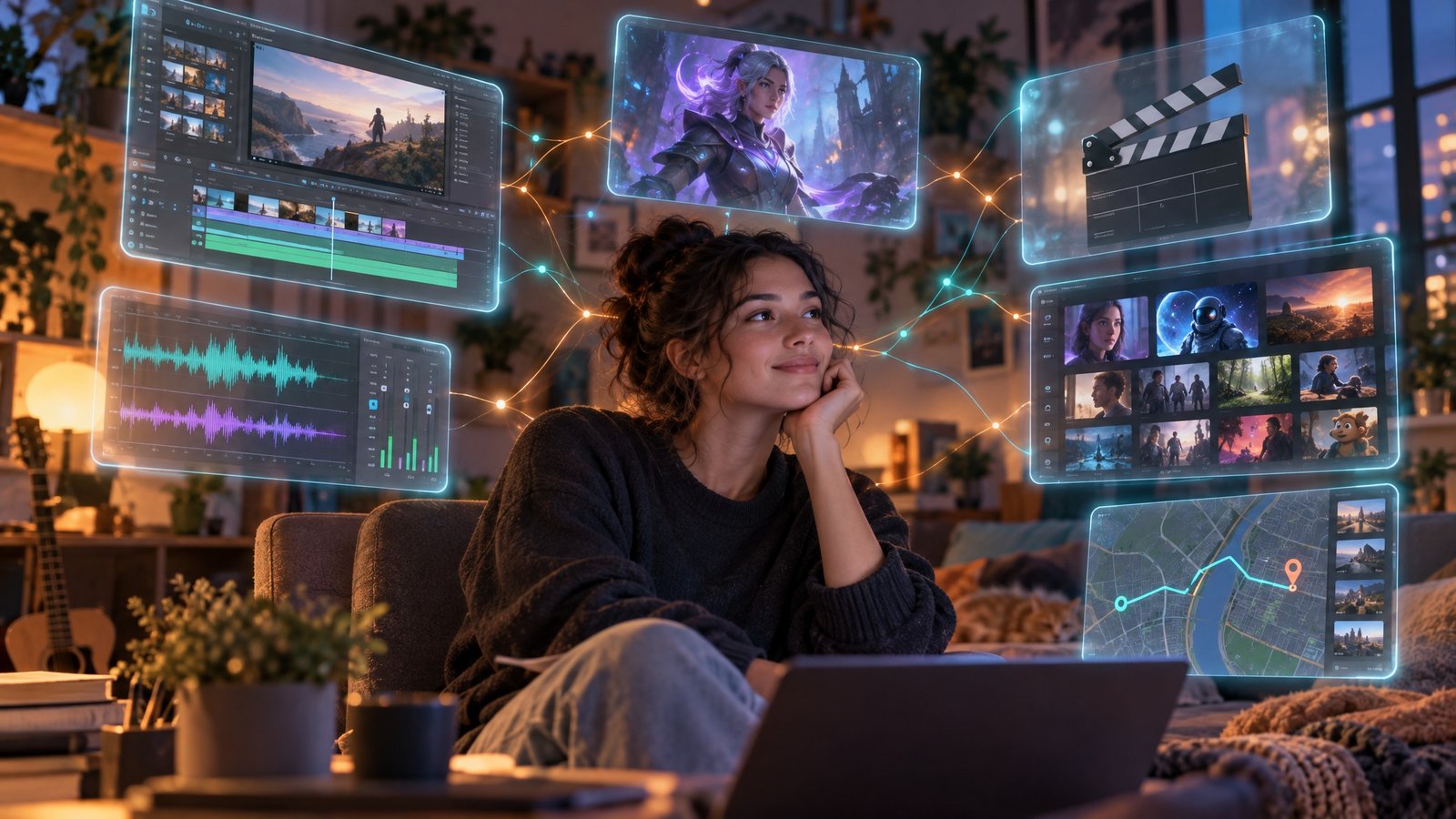
Artificial intelligence is no longer a futuristic concept reserved for science fiction movies or research labs. It is already part of how people work, create, learn, shop, travel, and relax. From the recommendation that helps someone find their next favorite series to tools that assist with writing, editing, design, and customer service, AI is quietly becoming one of the most influential technologies of everyday life.
What makes this moment especially exciting is that AI is not only changing how quickly things can be done. It is changing what people are able to create in the first place. Tasks that once required expensive software, specialist knowledge, or large production teams are becoming more accessible to individuals with an idea and the willingness to experiment.
New Tools, New Possibilities
The rapid growth of AI tools has opened the door for more people to turn creative ideas into real projects. Writers can use AI to organize research, brainstorm outlines, or explore different ways to approach a scene. Designers can quickly test visual concepts. Video creators can streamline editing, generate captions, clean up audio, and build content more efficiently.
The important point is that these tools do not replace imagination. They give creators a faster starting point. A blank page can be intimidating, but AI can help turn a rough thought into a first draft, a mood board, a list of ideas, or a workable plan. The creator still decides what feels right, what should change, and what deserves a personal touch.
For independent artists, small teams, and people creating content from home, that access can be game-changing. It allows more voices to participate in creative industries that have often been difficult to enter.
Entertainment Is Becoming More Interactive
Entertainment has always adapted to new technology. Radio changed storytelling. Television brought stories into people’s homes. Streaming made entire libraries available on demand. AI is now shaping the next phase by making experiences more personalized, responsive, and interactive.
In gaming, AI can help create characters that react more naturally, worlds that feel more alive, and experiences that adapt to a player’s decisions. In film and television, AI assisted tools can support visual effects, translation, editing, and accessibility features such as captions and audio descriptions. In music, creators can experiment with new sounds, refine production, and discover fresh ways to build an atmosphere around a song.
The most interesting use of AI in entertainment is not simply making content faster. It is making it feel more connected to the audience. People increasingly want stories, games, and digital experiences that respond to them rather than treating everyone exactly the same.
AI in Everyday Life
Outside of entertainment, AI is becoming part of ordinary routines in ways that are easy to overlook. It helps filter spam messages, suggest routes through traffic, organize photos, translate text, recommend products, and answer common questions. For students and professionals, it can help summarize information, structure ideas, and reduce repetitive work.
Used responsibly, AI can save time and make technology feel less complicated. Instead of spending hours searching through documents or learning a difficult program from scratch, people can focus more energy on the work that needs human judgment: solving problems, making decisions, building relationships, and creating original ideas.
That does not mean AI gets everything right. Like any tool, it has limits. It can misunderstand context, repeat inaccurate information, or reflect biases found in the data it learns from. That is why human oversight remains essential. AI can assist, but people still need to question results, verify important information, and make the final call.
Creativity Still Needs a Human Voice
One of the biggest conversations around AI is whether it will make creativity less personal. The answer depends on how it is used. If creators rely on it to do everything, the results can start to feel generic. But when it is used as a collaborator rather than a replacement, AI can help people explore ideas they may not have had the time, budget, or technical skills to pursue before.
The best creative work still comes from human experience. It comes from specific memories, personal taste, emotion, humor, curiosity, and perspective. AI can suggest possibilities, but it cannot live someone’s life for them. It cannot replace the feeling behind a song, the reason a filmmaker chooses a certain shot, or the personal story that gives a piece of writing meaning.
Looking Ahead
AI is moving quickly, and its role in daily life will continue to grow. There will be new tools, new debates, and new questions about responsibility, ownership, privacy, and creative credit. Those conversations matter because technology has the most value when it is built and used with people in mind.
For now, the most exciting thing about AI is not that it can do everything. It is that it can help more people try something new. It can make creative work more accessible, everyday tasks more manageable, and entertainment more imaginative.
The future of AI will not be defined only by the technology itself. It will be defined by what people choose to create with it.