Shigeru Miyamoto on AI: Mario's Creator Says Human Creativity Isn't Going Anywhere
The creator of Mario and Zelda is the first game developer ever chosen for Japan's Order of Culture, and he used the moment to explain why AI won't replace the people who make games.
By Matthew Joiner, Editor in Chief
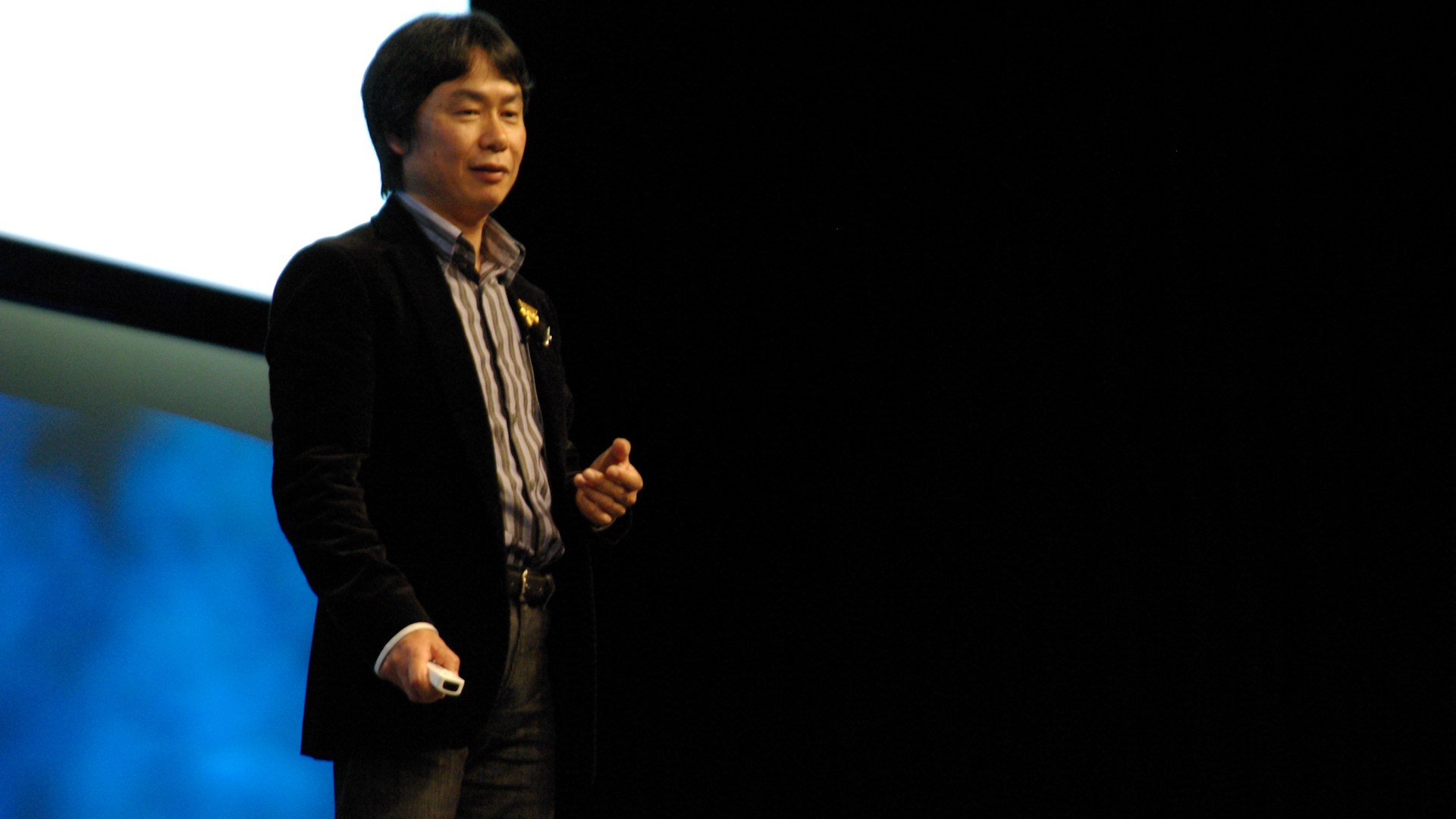
Top image: Shigeru Miyamoto at GDC 2007. Photo: Vincent Diamante / Wikimedia Commons, CC BY-SA 2.0 (cropped).
The man who gave us Mario, Zelda and Donkey Kong just made history, and then he weighed in on the biggest question in creative work right now. On October 23, 2026, Japan announced that Nintendo's Shigeru Miyamoto will receive the Order of Culture, one of the country's highest honors. He's the first person from the video game industry ever chosen for it.
At the press conference that followed, Miyamoto was asked about generative AI. His answer was calm, hopeful and very Miyamoto: AI can take on the work, but it can't replace the person with the idea.
The key facts
- The award: the Order of Culture, created in 1937, honors people who've made major contributions to Japanese culture. Miyamoto, 73, is the first game developer to receive it.
- The ceremony: Emperor Naruhito presents the medal on November 3, Culture Day, at the Imperial Palace in Tokyo.
- Not his first honor: Japan named him a Person of Cultural Merit in 2019.
- His reaction: he said he was "truly honoured," and that he accepts the award on behalf of the many teams he's worked with at Nintendo.
What Miyamoto said about AI
Miyamoto compared generative AI to an older shift: the move from typewriters to word processors. A designer used to be judged partly on skills like hand lettering a beautiful poster. When computers took over that work, a designer's real value moved to things a machine couldn't do, like a sense of layout and a personal point of view. He believes AI is the same kind of change.
He drew a clear line between labor and creation. AI can handle a lot of the labor of making a game. The danger, he warned, is that developers could feel satisfied just because the work got done, and mistake that for having made something good.
His clearest line, as reported by VGC and Metro:
"Looking back at past designs, there are some that were created merely by copying and pasting. Yet, such work rarely stands the test of time; it lacks the individual's particular design intention."
That's the heart of his argument. Games that last come from a person's own vision, not from copying what's popular. So even if AI gets better at the work, Miyamoto says there will always be a role for humans. He even framed it as a positive: when AI takes on the busywork, creators get a chance to think about what really matters in what they make.
One more thing for Nintendo fans: Miyamoto also said he's involved in several projects right now and might try "making something like a game again" (Nintendo Wire). No details, but it's the kind of line that gets a lot of people excited.
Meanwhile, Japan's voice actors drew their own line
Miyamoto isn't the only one in Japan's entertainment world talking about AI this month. On October 15, the Japan Actors Union published 22 guidelines for using generative AI on actors' voices, aimed squarely at anime, games and dubbing:
- Written consent at every step: training an AI on a voice, generating new lines, and publishing them.
- Separate pay: AI voice work counts as a performance and should be paid on its own.
- The right to say no later: actors can withdraw consent without being punished for it.
- Deceased actors: using their voices is mostly off-limits, with narrow exceptions that need the family's and agency's written approval.
- Dubbing: in principle, AI shouldn't replace human performances in Japanese dubs.
The guidelines aren't law, but they came right after a Tokyo District Court ruling on September 30 in a case involving voice actor Kenjiro Tsuda, which found that cloning an actor's voice without permission can violate their publicity rights. Legends like Masako Nozawa, the voice of Goku, have spoken out against AI videos using their voices.
Put the two stories together and you get the same message from two directions: use AI as a tool, but keep the people at the center.
Our Take
I agree with Miyamoto. AI is a good tool for the right things. The idea of growing with it, and letting it handle work for us so we can actually live our lives, is a great one.
The only problem isn't the technology. It's people. Not everyone is a good person, and too often the people with power move like they're the only ones on earth who matter. AI in the wrong hands, used to cut people out instead of lift them up, is where the worry comes from. That's why it matters when someone like Miyamoto, and Japan's voice actors, say out loud that the human part comes first.
And when it comes to games, I think AI and gaming are meant to have a good relationship. AI is what makes the people and enemies in a game feel alive. It's what gives you more realistic engagement and a decent challenge instead of something you can beat with your eyes closed. Games have used AI since the ghosts in Pac-Man each chased you a different way. Better AI in games, guided by people with a real vision, is something I'm all for.
Miyamoto has spent his whole career proving that the idea is what matters. I don't see AI changing that.
What do you think? Is AI a tool that makes games better, or are you worried about where it's headed? Tell us on Instagram.